About Me
Oil markets across the globe are once again on edge. Prices have surged past the $110-per-barrel mark as geopolitical tensions intensify ahead of a critical deadline set by former U.S. President Donald Trump for Iran to comply with demands related to the reopening of the Strait of Hormuz.
This moment is not just another spike in commodity pricing—it represents a convergence of geopolitical risk, energy security concerns, and economic uncertainty that could shape global markets for months or uk news24x7 even years to come.
We break down why oil prices are rising, what the Trump–Iran deadline means, and how it impacts the global economy, investors, and everyday consumers.
Understanding the Current Oil Price Surge
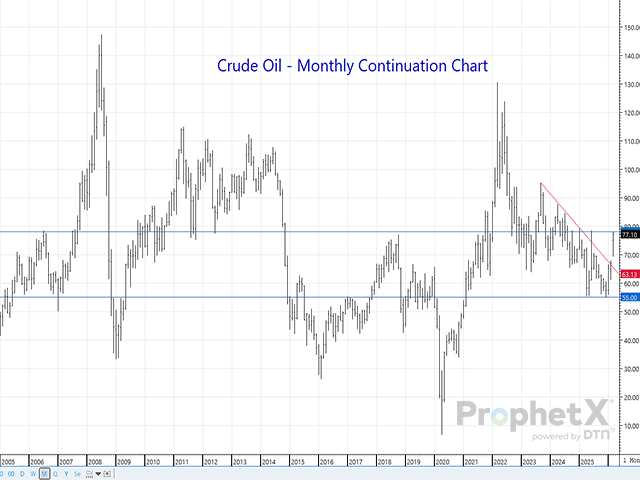
Oil prices have climbed significantly in early April 2026, with Brent crude and West Texas Intermediate (WTI) both trading above $110 per barrel.
This surge is primarily driven by:
- Rising geopolitical tensions in the Middle East
- Disruptions to global oil supply chains
- Market uncertainty ahead of a major political deadline
- Reduced shipping activity through a critical oil chokepoint
The timing of this increase is crucial—it coincides directly with a deadline imposed by Donald Trump on Iran, demanding immediate action regarding the Strait of Hormuz.
Why the Strait of Hormuz Matters


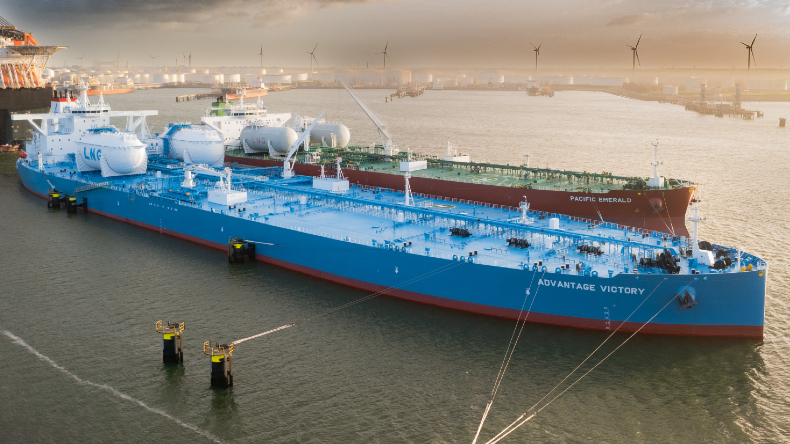
The Strait of Hormuz is one of the most strategically important waterways in the world. Roughly 20% of global oil supply passes through this narrow channel.
Since late February 2026, the strait has been at the center of escalating conflict:
- Iran has effectively restricted or closed shipping routes
- Tanker traffic dropped dramatically—at one point nearly to zero
- Over 150 ships were forced to anchor due to safety concerns
This disruption has created a major supply shock, pushing oil prices upward and triggering fears of a prolonged energy crisis.
Trump’s Deadline and Its Global Impact
At the center of the current crisis is a firm ultimatum issued by Donald Trump:
- Iran must reopen the Strait of Hormuz
- Failure to comply could result in military escalation
- A specific deadline (April 7, 2026) has intensified market anxiety
The rhetoric has been aggressive, with warnings of attacks on Iranian infrastructure if demands are not met.
This has had several immediate effects:
1. Investor Panic and Market Volatility
Global financial markets have reacted sharply:
- Stocks have fluctuated as investors move toward safer assets
- Gold and the U.S. dollar have strengthened
- Risk appetite has declined significantly
2. Oil Supply Fears
With the Strait of Hormuz partially closed:
- Oil exports from Gulf nations have been reduced
- Energy infrastructure has come under attack
- Supply chains remain fragile and unpredictable
3. Inflation Concerns
Higher oil prices directly impact:
- Fuel costs
- Transportation expenses
- Food prices and consumer goods
Economists warn this could lead to stagflation, where inflation rises while economic growth slows.
The Role of the Ongoing Iran Conflict
The oil price surge cannot be understood without examining the broader 2026 Iran war.
Key developments include:
- U.S. and allied strikes on Iranian military targets
- Iranian retaliation targeting regional energy infrastructure
- Drone and missile attacks affecting oil production facilities
- Disruptions across the Persian Gulf energy network
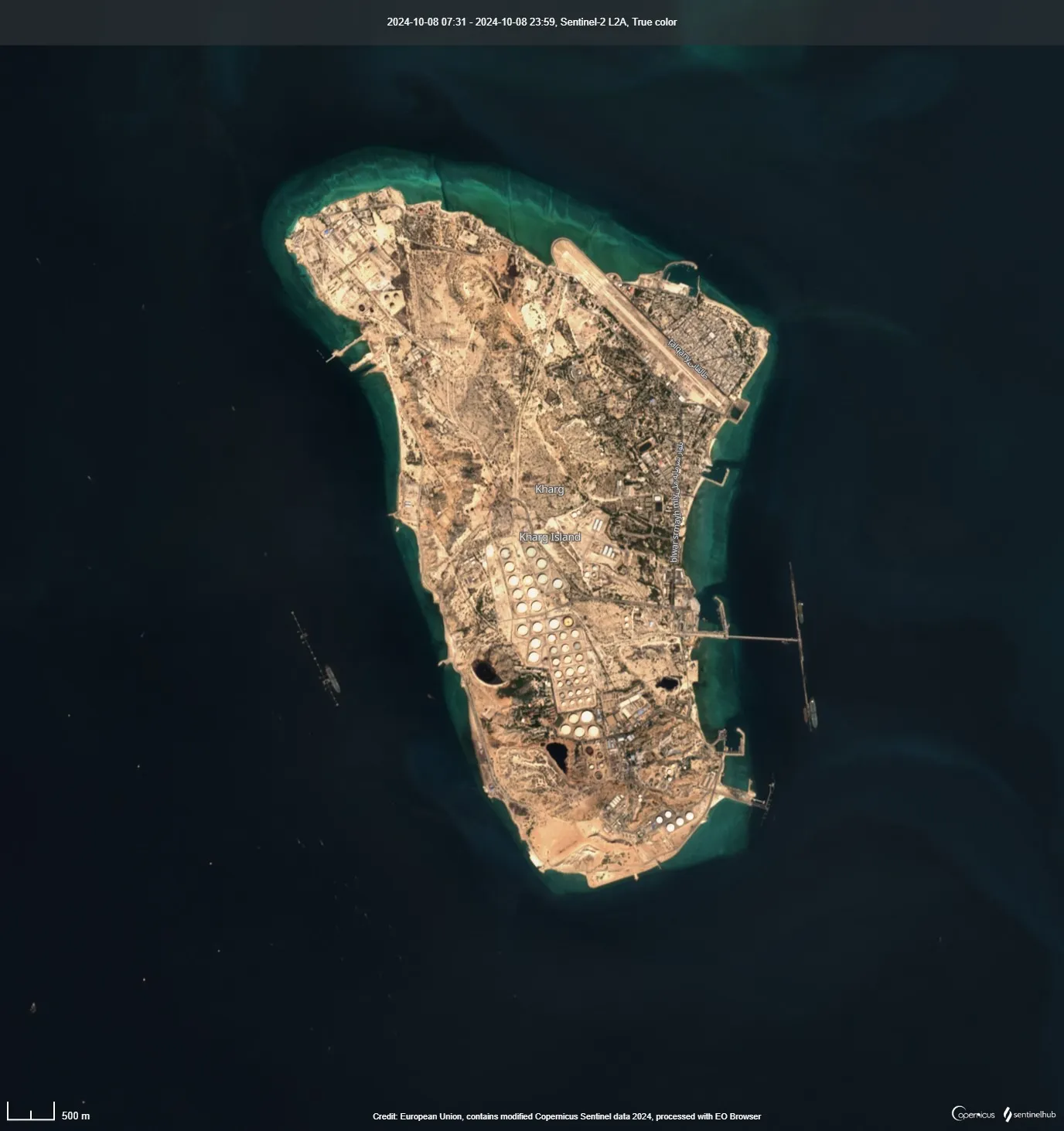
For example, the strategic Kharg Island—responsible for a major share of Iran’s oil exports—has been targeted in military operations, highlighting the vulnerability of energy infrastructure.
The result is a high-risk environment for oil production and transportation, which naturally drives prices higher.
How Oil Markets Are Reacting
Oil markets are extremely sensitive to geopolitical risk, and the current situation is a textbook example.
Price Trends
- Brent crude: hovering around $110–$111 per barrel
- WTI crude: reaching $113–$115 per barrel
Market Behavior
- Sharp intraday volatility
- Price swings based on news headlines
- Traders pricing in worst-case scenarios
OPEC+ Response
While OPEC+ has attempted modest production increases, supply constraints and geopolitical risks limit its effectiveness.
Why Oil Prices Could Rise Even Further
Several factors suggest that oil prices may continue climbing:
1. Prolonged Strait Closure
If the Strait of Hormuz remains restricted:
- Global supply could shrink significantly
- Prices could spike beyond current levels
2. Escalation of Military Conflict
Any direct military confrontation between the U.S. and Iran would likely:
- Disrupt additional oil infrastructure
- Trigger panic buying in energy markets
3. Limited запас Capacity
Global spare production capacity is limited, meaning:
- There are few immediate alternatives to replace lost supply
- Strategic reserves can only provide temporary relief
Could Diplomacy Still Lower Prices?
Despite the tensions, there are signs of ongoing negotiations.
- Diplomatic discussions between the U.S. and Iran continue
- Some analysts believe markets are still pricing in potential de-escalation
If a deal is reached:
- Oil prices could stabilize or fall
- Shipping through Hormuz could resume
- Market confidence would improve
However, the situation remains highly uncertain.
Impact on the Global Economy
The rise in oil prices is not just a market issue—it has real-world consequences.
1. Rising Fuel Prices
Consumers are already seeing:
- Higher petrol and diesel costs
- Increased transportation expenses
In some regions, fuel prices have surged significantly as a result of the crisis.
2. Supply Chain Disruptions
Higher energy costs affect:
- Manufacturing
- Logistics
- Global trade
3. Inflation and Interest Rates
Central banks face a dilemma:
- Raise rates to combat inflation
- Or support growth amid economic uncertainty
What This Means for Investors
Investors are closely monitoring:
- Oil futures markets
- Energy stocks
- Safe-haven assets like gold
Energy companies, particularly oil producers, may benefit from higher prices, while other sectors could face pressure.
Historical Context: A New Energy Crisis?
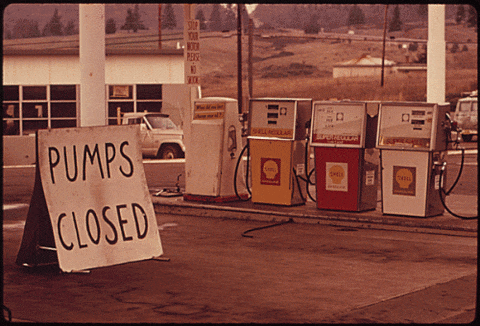
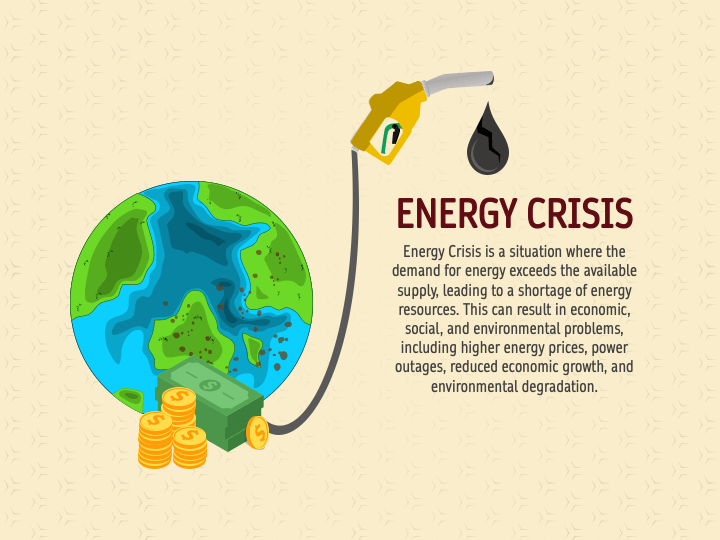
Some analysts are comparing the current situation to past energy crises.
The closure of the Strait of Hormuz has been described as:
- One of the largest disruptions in oil market history
- A crisis comparable to the 1970s energy shock
If the conflict continues, the world could face:
- Sustained high energy prices
- Economic slowdown
- Increased geopolitical instability
Expert Outlook: What Happens Next?
Experts are divided on the future direction of oil prices.
Bullish Scenario (Prices Rise Further)
- Continued conflict
- Extended supply disruptions
- Failure of diplomatic efforts
Bearish Scenario (Prices Stabilize or Fall)
- Successful negotiations
- Reopening of Hormuz
- Increased production from other regions
Key Takeaways
- Oil prices have surged above $110 due to geopolitical tensions
- The Trump-imposed deadline on Iran is a major market driver
- The Strait of Hormuz remains the critical factor in global supply
- Markets are highly volatile and sensitive to news developments
- The global economy faces rising inflation and uncertainty
Final Thoughts
The rise in oil prices ahead of Trump’s Iran deal deadline is more than a temporary market fluctuation—it is a reflection of deeper geopolitical instability that could reshape global energy dynamics.
As the deadline passes and the world watches closely, the next moves by the U.S. and Iran will determine whether oil prices continue to climb—or finally stabilize.
For now, one thing is certain: the global oil market is entering one of its most uncertain and high-stakes periods in recent history.
Location
Occupation
Latest Post: Rent a Truck Melbourne | Affordable Truck Hire & Moving Rentals Our newest member: florenciafremon Recent Posts Unread Posts