About Me
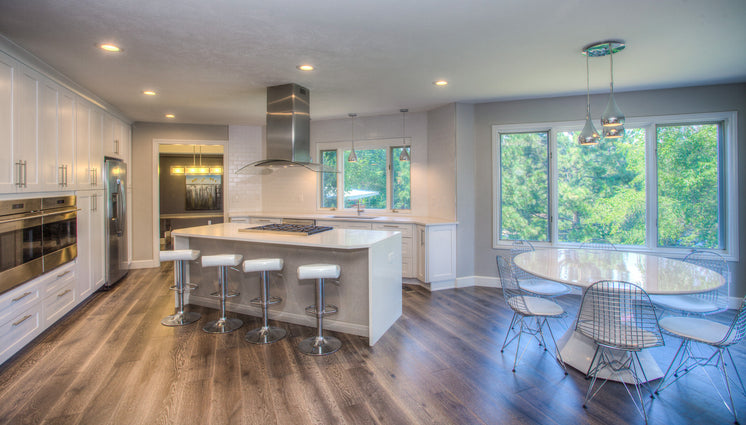
The kitchen worktop is the single most-used surface in most houses. They take heat, water, knife marks, spills, dropped tins, cleaning chemicals, and years of scrubbing. Choice of material for this surface has more impact on how a Kitchen design and planning wears than almost any other decision, and the prices span from a few hundred pounds for the whole run to over ten thousand for a premium natural stone. Understanding what each material actually does day to day, rather than what it looks like in a showroom, is worth an evening of research.
Laminate is the entry-level choice and, at the top of its range, a genuinely reasonable material. Modern high-pressure laminate has come a long way from the plastic finishes of the 1980s and includes convincing stone-effect prints, wood-effect surfaces and even textured finishes that mimic real materials at close range. Laminate is cheap, waterproof at the surface, easy to fit and durable to normal use. Its weaknesses are heat and cutting - a hot pan straight from the hob will mark it, and knives will score it. For most domestic use, a laminate worktop will look good for ten years or more if it is treated with a modicum of care.

Quartz composite worktops - Silestone, Caesarstone and similar brands - are the dominant choice in mid-to-high-end kitchens for good reason. Quartz is engineered from crushed natural quartz bound with resin, giving a surface that is harder than granite, more consistent than natural stone, non-porous and highly resistant to staining. It handles heat, knives, water and normal cleaning without particular care. The cost is higher than laminate but the surface lasts effectively indefinitely under domestic use, and the appearance can be selected from a huge range of patterns and colours.
Natural stone - granite, marble, quartzite - is the premium choice and each type has its own personality. Granite is highly durable, resistant to heat and cutting, and offered in a huge variety of natural patterns; it needs occasional sealing but is otherwise low-maintenance. Marble is soft and porous, stains easily from acidic substances like citrus and red wine, and marks visibly from routine use; it is a beautiful material for people who accept and even like the patina of use, and a poor choice for people who want their kitchen to look new for a decade. Quartzite - a natural stone often confused with quartz composite - is harder than granite and behaves better under domestic use.
Ceramic and porcelain like Dekton and Neolith are the newest option and are increasingly popular in high-end Bournemouth kitchens. These are ultra-compressed ceramic and mineral sheets that are almost indestructible under any domestic use - heatproof, scratchproof, stainproof, UV-stable. The material is expensive to buy and to fabricate because the sheets are hard on tooling, but the finished worktop needs no maintenance and will look identical in twenty years to how it looks on day one. For anyone building a kitchen they intend to keep for the long term, sintered stone is worth serious consideration despite the price.
Concrete and stainless steel are speciality choices that suit specific looks. Concrete has a genuine industrial appeal and can be cast in any shape, but it is heavy, needs professional installation and sealing, and shows every crack and stain it acquires. Stainless steel is the material of professional kitchens - unbeatable for hygiene and heat - but shows fingerprints, water spots and scratches immediately in a domestic setting. Neither is a mainstream choice and both should be entered into with clear eyes about what they will look like after a year of use.
The right worktop for any given kitchen depends on budget, aesthetics and, most importantly, how the kitchen is actually used. A household that cooks every day, has young children, and expects a decade of hard use, is well-served by quartz or a high-quality laminate. A household that entertains and wants a striking surface as a design feature might reasonably go for natural stone. Whatever the choice, the kitchen installation team in Bournemouth should specify the substrate correctly - proper support at cutouts, a level installation surface, and correct sealing - because even the best material fails on poor installation.
Location
Occupation
Latest Post: Rent a Truck Melbourne | Affordable Truck Hire & Moving Rentals Our newest member: toni63134112890 Recent Posts Unread Posts