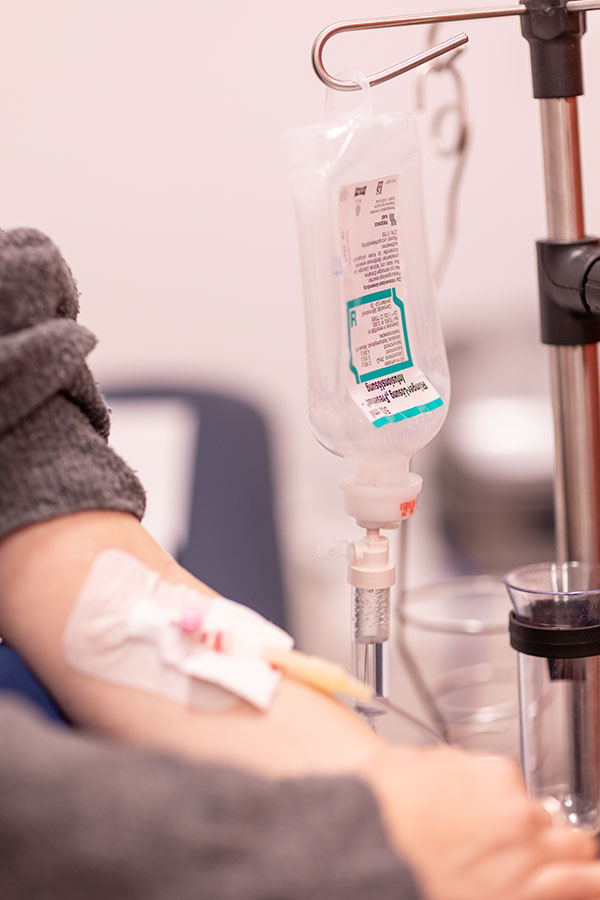
About Me
A well-run drip session can do more than perk you up; it can support steady energy, quick rehydration, and a calmer mind after long days. In our region, schedules get packed, so you need care that’s efficient, safe, and consistent. Here, you’ll learn how clinics plan, staff, and run sessions for reliable results. We’ll look at what to ask before booking, how to read menus, and which small signs show a clinic takes outcomes seriously. We include examples from neighborhood lounges and pop‑up wellness rooms. If you’re weighing timing or ingredients, we outline trade-offs to help you decide faster. We also show simple ways to maintain results between appointments. The goal is practical guidance you can use this week, not theory. By the end, you’ll know how to spot solid practices, avoid common pitfalls, and plan a calm, repeatable routine with minimal hassle.
Map needs, define scope, and plan realistic session goals
Start by listing your top outcomes, like steady afternoon energy, post-travel recovery, or race prep, and match them to feasible timelines. You can skim service menus, then compare session length against commute and work breaks IV therapy Reston VA before booking a window that won’t rush recovery. Bring a week’s schedule and identify two buffer slots. Add context: big meetings, kid pickups, or gym sessions all shape the best start time. Lock in a target cadence for 2–3 weeks and note how you feel 12, 24, and 48 hours after each visit.
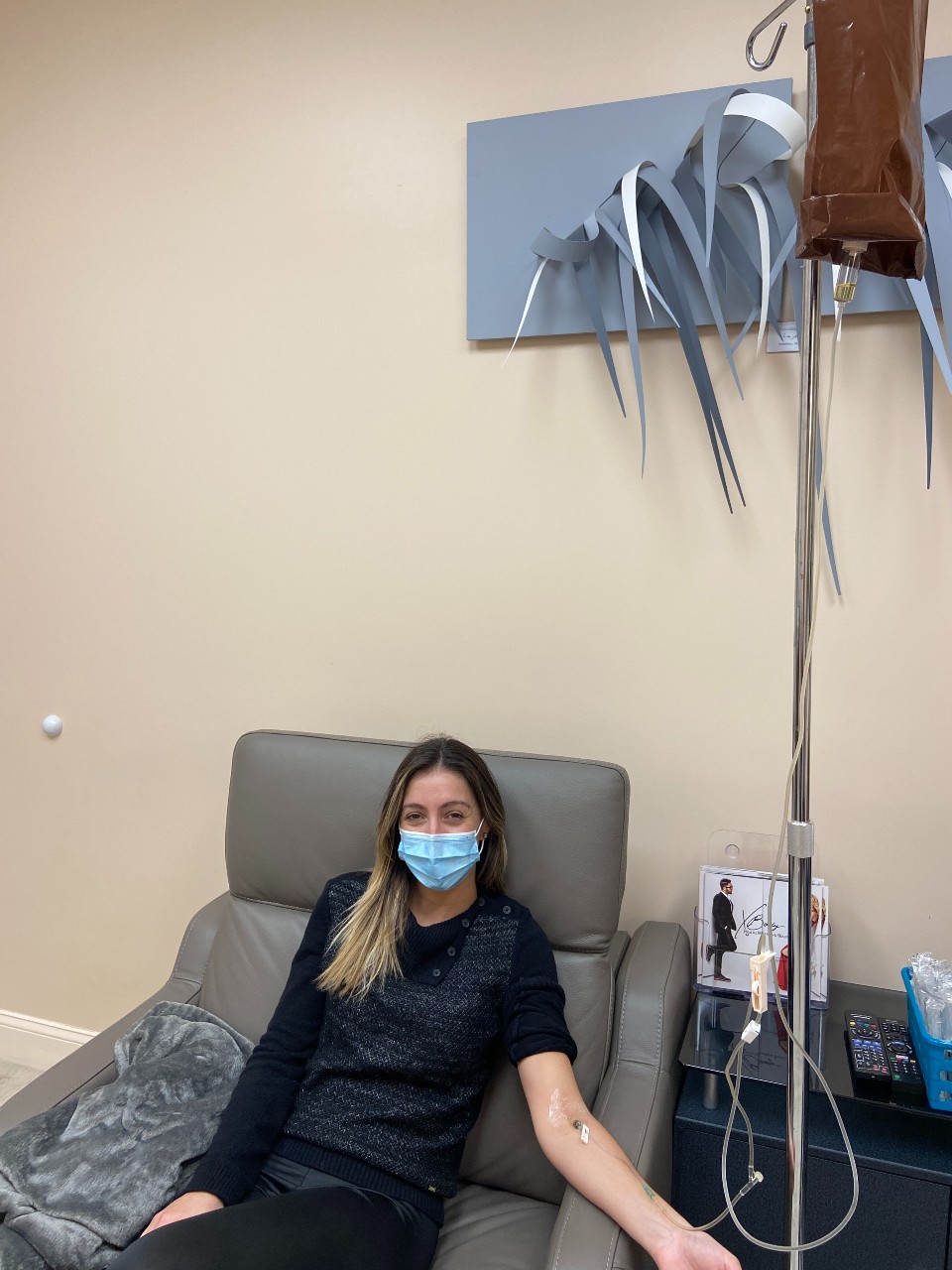
At a neighborhood lounge, a designer balanced tight deadlines by choosing morning appointments on light-email days. She paired short sessions with a late lunch, which kept hydration high without disrupting client calls. She avoided Fridays so the weekend stayed flexible. A runner prepping for a humid 10K set mid-week sessions, keeping race eve clear for sleep and carb loading. These small planning moves protected both performance and calm.
Know inputs: fluids, electrolytes, nutrients, and clinic supply checks
Ask which base fluids the clinic uses and why, then confirm how they track lot numbers and dates. Many teams display supply logs in-room, and you can request to see their intake checklist IV therapy Reston VA before the nurse starts a vein assessment. Look for labeled bins, sealed packaging, and time-stamped logs. If you tweak minerals or B-complex, ask how they record changes across sessions. Clear records reduce mix-ups and support consistent outcomes.
At a mobile visit, a tech set up a clean field on a stainless cart, unsealed items in view, and narrated each step. The client asked about needle gauge and why that size fit slower drips on a lean arm. That short talk eased nerves and improved flow. In a small office, a manager kept a whiteboard of weekly stock, so last-minute add-ons didn’t force substitutions. Transparent systems make it easy to trust the process.
From check-in to finish: triage, clean stick, and paced infusion
A strong workflow starts with a brief health screen, vitals, and a check for meds or allergies that could affect pace. Expect a clean stick, a secure line, and a slow ramp to your comfort rate IV therapy Reston VA before the team sets a timer and checks in. Staff should explain pump beeps and when to call. You’ll want a warm blanket, water nearby, and a timer visible. Smooth pacing avoids head rush, chills, or hand tingles.
A co-working space hosted pop-up sessions at lunch, and teams staggered starts by five minutes to avoid traffic jams. One attendee had a history of fainting during blood draws; the nurse set the chair to recline and coached slow breaths. They checked in often and kept the vibe relaxed. In a clinic, the supervisor color-coded clipboards for each stage—screen, start, monitor, wrap—so no one waited in limbo. Clear stages turn a 45-minute slot into a calm, predictable break.
Safety first: asepsis, observation, and when to halt a drip
Quality shows in small, repeatable habits: hand hygiene, fresh gloves, and no shortcuts with tape or dressings. You should see sharps disposed immediately, lines secured without skin tug, and a set plan for mild reactions IV therapy Reston VA before anyone opens a bag. Ask how they handle dizziness, site irritation, or rapid heartbeat. Clinics that chart vitals pre, mid, and post tend to catch issues early. Confidence grows when staff explain what’s normal and what triggers a pause.
In a boutique lounge, a traveler felt woozy after a red-eye. The tech slowed the rate, elevated feet, and added a small snack, then rechecked vitals after five minutes. They wrote it up and flagged a slower start for future visits. During a light commercial onsite day, a manager halted one session at the first sign of swelling and brought in the lead nurse. Clear escalation beats speed every time.
Cost and trade-offs: menu tiers, timing, and when less is more
Price menus make more sense when you align them with goals, schedule pressure, and how you respond. You can ask which tier matches your need today, then reserve extras for a heavy week IV therapy Reston VA before you commit to add-ons that might not help. Plenty of people prefer a lean formula done consistently. If you travel often, shifting cadence around flights can save both money and stress. A simple plan, repeated, often beats a complex mix you can’t maintain.
One client alternated a base hydration bag with a quarterly upgrade around marathon training. She tracked sleep, mood, and output to see which add-ons actually moved the needle. Her tracker helped trim costs while keeping results. A new parent kept sessions short and skipped non-essentials during daycare season. With the right cadence, IV therapy felt sustainable rather than one more thing to juggle.
Choose the right partner: staff depth, site options, and vibe
Start by asking who performs the sticks, average tenure, and how many sessions they handle per week. Then ask whether they offer home, office, or lounge visits, and how each setting affects timing IV therapy Reston VA before you pick the most practical option. Ask for a mock intake to preview their process. If you want calm, look for soft lighting and predictable noise levels. Clear answers now prevent friction later.
For local care, many clients try IV therapy Reston VA for a balance of access, skill, and consistent scheduling. Staff should welcome questions about training, incident drills, and who covers if the lead is out. You can feel team chemistry in the first chat. If you need weekend slots, confirm coverage and response times. Pick the team that respects your time and explains choices plainly.
Conclusion
Strong outcomes come from steady planning, clean supplies, smooth pacing, tight safety steps, and a partner who fits your life. Each piece supports the next, so small improvements compound fast. Set a clear goal, choose a realistic cadence, and keep notes. With a grounded approach, IV therapy can become a calm, reliable habit that supports your week instead of crowding it.
Location
Occupation
Latest Post: Rent a Truck Melbourne | Affordable Truck Hire & Moving Rentals Our newest member: kaimckenzie1847 Recent Posts Unread Posts