About Me
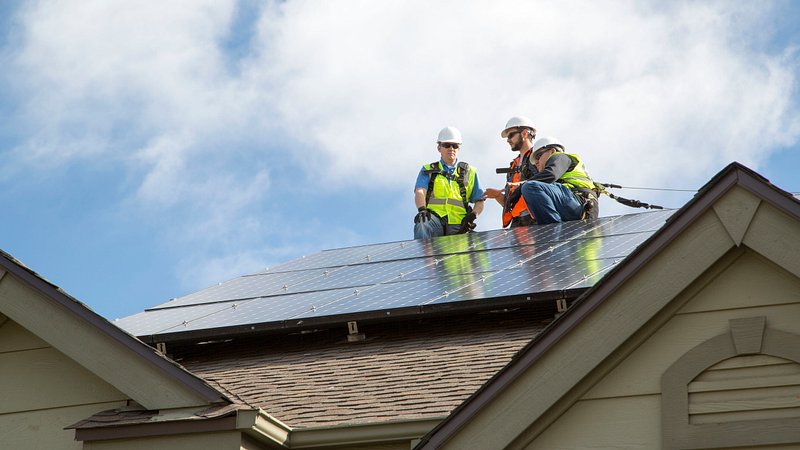
Homeowners want work done with confidence, and they want clear choices that fit the house and budget. The right team turns big exterior decisions into simple steps that keep stress low and results high. With roofing, small calls made early shape durability, drainage, curb appeal, and even energy costs for years. You’ll see how timing, materials, and vendor fit tie together; the trick is lining them up before a ladder even goes up. We’ll map a practical path you can follow this season, focusing on planning, supplies, schedule, quality, and cost. Rushing invites do-overs and costs you sleep. Along the way, we’ll point to real situations—like storm wear, chimney flashings, and fascia touches—so choices feel concrete, not abstract. With clarity, your project runs tighter and finishes stronger.

Set workable scope and solid goals before crews arrive
Strong scoping keeps surprises rare and helps everyone price the same job. You can weigh site access and roof facets Roofing before you price tear-off or staging. Start by listing what’s in and out: vents, attic baffles, skylights, and where roof installation touches trim. Write out each plane and every vent so bids match. Note tricky spots like valleys behind dormers or a low-slope porch that may need different underlayment.
Gather photos from the yard and the street, then mark stained ceilings indoors. When marks radiate, budget for sheathing patches. A seasoned roofing contractor will ask about past leak paths and ice lines near the eaves. Expect them to flag chimney step-flashing, satellite mounts, and that one soft spot near the ridge. Tighter scope now means cleaner change orders later.
Choose proven materials and region-ready accessories that work
Materials should match weather patterns, not just color charts. Compare shingle class, underlayment types, and intake/outflow vent balance Roofing while you consider ridge caps and fasteners. In windy zones, use starter strips with sealant lines and six-nail patterns; in hot regions, lighter colors can cool the attic. High-temp membranes shine under metal near chimneys. Where walls meet eaves, integrate step-flashing with proper counterflashing.
Don’t overlook edges and walls. Drip edge size, gutter guard choices, and where siding installation meets rake trim affect water control. The wrong edge metal can backflow in a storm. Ask about corrosion ratings for valley metal and the lifespan of pipe boots under UV. In tree-heavy lots, consider algae-resistant shingles to cut dark streaks. Small spec tweaks today dodge big fixes later.
Map realistic timelines and tight sequencing for smooth progress
Good schedules blend lead times with weather history and crew capacity. Review supplier stock, dumpster timing, and street parking rules Roofing before you lock dates. Build float for inspection windows and for decking patches if rot shows. Stack deliveries the day prior to prevent morning delays. Share neighbor notices and HOA requirements so staging goes faster.
Daily workflow should follow an agreed rhythm. Tear-off early, dry-in fast, then flash and shingle by elevation while a roofing contractor coordinates safety lines. A second ladder speeds valley work and cuts downtime. Keep a tarp plan for pop-up storms and set a pulse check at lunch. When the punch list begins, walk it with the lead and confirm photo documentation. Momentum rises when small tasks are grouped and closed.
Guard day-one quality and lower risk with steady checks
Quality comes from habits you can see, not buzzwords. Ask for photos of deck condition Roofing as each section is opened and dried-in. Look for straight nail lines, proper reveal, and snug flashing at saddles. If nails miss the deck, back out and refasten. Confirm caps are staggered and ridge vent nails hit framing.
Risk control also means fast fixes when issues pop. After a storm, targeted roof repair on lifted tabs or torn ridge vent can halt bigger damage. Don’t wait for ceiling stains to spread; act on early signs. Expect sealant around stacks to be a backup, not the primary barrier. Ask crews to verify attic airflow with a simple smoke test. Better airflow cools shingles, protects sheathing, and defends warranties.
Balance cost realities with smart upgrades that pay back
Costs stretch further when you weigh lifespan against maintenance. Review core pricing, then consider where roof replacement beats patchwork in both labor and peace of mind Roofing over the next decade. In leaf-heavy yards, seamless gutter installation paired with properly sized downspouts can cut overflow and fascia rot. Cleaner drainage protects basements and walks. Choose warranties you’ll actually register and keep.
Bundle work where edges meet systems. If eave metal changes, coordinate paint-matched trims while discussing a roofing contractor visit for final fit notes. Tie in attic baffles when the deck is open. On homes with brittle cladding, timing new drip edge alongside siding installation prevents future pry-back. For skylights past midlife, replacement during shingle work avoids double labor. Smart bundles tame downtime and maximize value.
Conclusion: With a clear scope, the right materials, a practical schedule, steady checks, and budget-savvy upgrades, your exterior project moves from plan to finish with fewer surprises. Early clarity turns a complex job into a steady march. Whether you handle a modest repair or a full system refresh, align choices to climate and the home’s daily realities. Partner well, stay curious, and your home will thank you for years.
Location
Occupation
Latest Post: Rent a Truck Melbourne | Affordable Truck Hire & Moving Rentals Our newest member: kelleyejw129090 Recent Posts Unread Posts