

About Me
Onion Dark Website
Smartmixer made it harder to trace funds on the blockchain, although malicious actors could misuse such tools for illegal transfers. This article alone gives you over thirty sites and services to explore. All you really need is the Tor browser and a list of .onion addresses to get started. By a significant margin, it’s the sale of illicit goods and services on darknet markets (like the ones mentioned in this article). Overall, accessing the dark web isn’t illegal, but it can still cause problems.

A dark web search engine is a tool built to discover and list websites hosted on the Tor network, primarily those using .onion addresses. While it’s safe to search for and scroll through dark web search engine links, websites in the results may harbor malware, disturbing content, or serve as gateways to scams. Instead, the addresses are self-authenticating, and the network relies on a distributed system to locate and connect users to these hidden services, adding another layer to the onion's anonymity. Unlike Google’s web crawlers that follow links all over the public internet, dark web search engines use Tor based crawlers and sometimes user submissions to discover hidden sites. That’s where dark web search engines come in — they help you discover hidden websites and make navigating this part of the internet easier.
If you want to use the Tor browser to search for websites that are accessible only via the hidden networks, dark web links (.onion addresses), you should be aware of both where to find them and how to remain secure while visiting these locations. Torch is one of the more established dark web search engines, designed to help users navigate the Tor network and discover onion sites. Safe access is critical because dark web search engines often surface unverified, dark market list cloned, or malicious onion links alongside legitimate sites.
The Many Layers of the Digital Underground
For example, it has a reputation for hosting pedophile sites. Even without monitoring your browsing activities, DuckDuckGo will offer decent answers to your questions. It is an excellent option if you want to surf the web anonymously. However, remember you must use the Tor browser to access them.
Beneath the glossy, indexed surface of the everyday internet lies a vast, unregulated space. To access it, one doesn't use a standard browser but a special tool that routes traffic through a complex, anonymizing network. This gateway is often symbolized by a simple, pungent vegetable: the onion. The sites within this hidden ecosystem are known as **onion dark websites**, residing on servers with masked locations and addresses ending in ".onion".
DuckDuckGo is a privacy focused search engine that you can use on the dark web via its Tor hidden service onion address. To reach the dark web, you must use Tor and then a dark web search engine or directory to find addresses. Ahmia is often recommended as the best safe dark web search engine because it filters out illegal content and has Tor darknet market list Project support. Using these search engines responsibly allows us to gather that intelligence quickly and safely, without stumbling into illegal territory. DuckDuckGo’s results are safe in the sense that they won’t include outright illegal onion links; they focus on normal web content. When you access DuckDuckGo via its .onion address, your queries never leave the Tor network, and DuckDuckGo never logs them.
Peeling Back the First Layer: What Is It?
That said, the social network’s data collection and tracking practices may seem at odds with many of the principles motivating dark web users. However, DuckDuckGo doesn’t index dark web content — it only accesses surface and deep web sites through Tor. Below, we list some onion sites you can explore relatively safely. Unfortunately, many dark web websites are devoted to the illegal trade of leaked personal information. Onion sites, or dark web websites, are sites on the dark web that can typically only be accessed using special software like the Tor darknet market marketplace browser.
Think of the internet as an iceberg. The tip is the social media, news, and shopping sites we all know. Below the waterline is the deep web—private databases, darknet market magazine medical records, and password-protected content. Deeper still, in the darkest, coldest recesses, lies the dark web. **Onion dark websites** are the specific, hidden services of this realm, accessible only through specialized networks designed for anonymity.
The Architecture of Anonymity
How does an **onion dark website** stay hidden? The name provides the clue. Data is wrapped in multiple layers of encryption, much like an onion. This encrypted data packet is then relayed through a random series of volunteer-run servers called nodes. Each node peels away a single layer of encryption, only revealing the next destination, not the original source or the final content. The final node delivers the data to the .onion site.
- Encryption Layers: Each relay decrypts one layer, knowing only the previous and next hop.
- Volunteer Network: Thousands of computers worldwide act as relays, obscuring the trail.
- Onion Addresses: A string of 56 random letters and numbers, ending in ".onion", acting as the hidden site's locator.
A Marketplace of Contrasts
The content on **onion dark websites** is a study in extremes. The anonymity it provides is a double-edged sword, empowering both noble causes and nefarious activities.
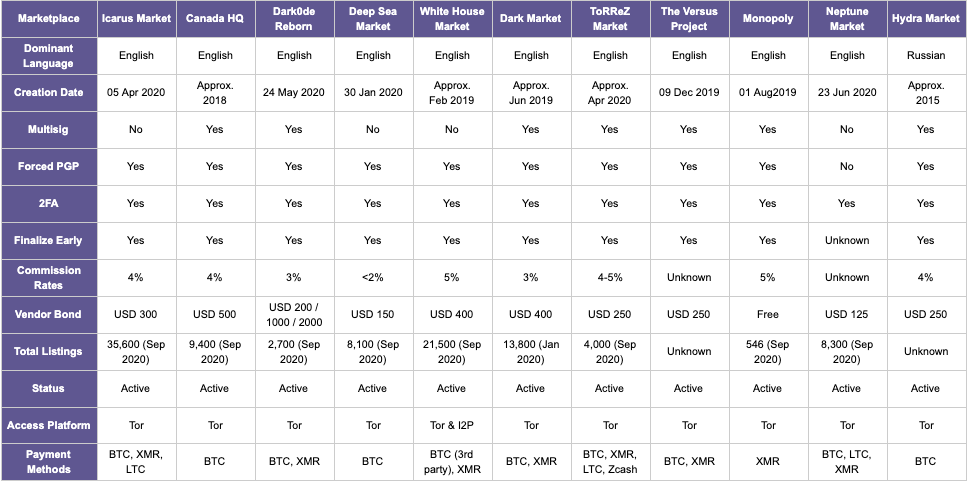
- The Light: Whistleblower drop boxes, secure communication for activists under oppressive regimes, uncensored libraries, and privacy forums.
- The Dark: Illicit marketplaces for contraband, hacking tools, and other illegal services that exploit the veil of secrecy.
Frequently Asked Questions
Is it illegal to access the dark web?
No, accessing the dark web itself is not illegal in most countries. It is a tool. However, using it to engage in illegal activities is, just as it would be on the surface web.
Are **onion dark websites** safe to visit?
They carry significant risk. Beyond legal pitfalls, many sites host malware, scams, and disturbing content. The anonymity protects the site owners as much as the visitors, making trust impossible.
Can my activity on a .onion site be traced?
The network is designed to make tracing extremely difficult. However, vulnerabilities can exist through user error, software flaws, or advanced targeted surveillance. Absolute anonymity is never guaranteed.
Why would a legitimate person use an **onion dark website**?
For the same reason you might curtain a window: privacy. Journalists contact sources, researchers study cyber threats, and citizens in censored countries access blocked news. In an age of pervasive data collection, the dark web represents a digital space for private, unmonitored communication.
The world of **onion dark websites** remains a complex, layered frontier. It is a powerful testament to both the human desire for privacy and the unfortunate propensity to exploit it. To understand it is not to endorse its shadows, but to recognize the profound and conflicting needs it represents in our connected age.
Location
Occupation
Latest Post: How to Build Email Lists: Tips for Getting People to Sign Up Our newest member: shane3953454528 Recent Posts Unread Posts


