

About Me
The World of Truffles: Varieties, Products, and Market Insights
Introduction
Truffles, https://Terra-ross.com/blogs/recipes/creamy-spaghetti-with-Mushrooms-and-truffles-brisure-and-bacon the subterranean fungi prized for their intense aroma and unique flavor, have captivated gourmands for centuries. These elusive delicacies grow symbiotically with tree roots and are harvested using trained dogs or pigs. Truffles are classified into several varieties, each with distinct characteristics, seasons, and culinary applications. This article explores the diverse world of truffles, their products, market dynamics, and uses in cooking and beyond.
Truffle Varieties
1. White Truffle (Tuber magnatum)
Known as the "Alba truffle," this Italian variety is the most expensive and aromatic. It thrives in Piedmont and Umbria, harvested from October to December. Its pungent, garlicky scent elevates dishes like pasta and risotto.
2. Black Truffle (Tuber melanosporum)
Often called the "Perigord truffle," this French variety is renowned for its earthy, nutty flavor. Harvested in winter, it’s a staple in haute cuisine, often shaved over dishes or infused into oils.
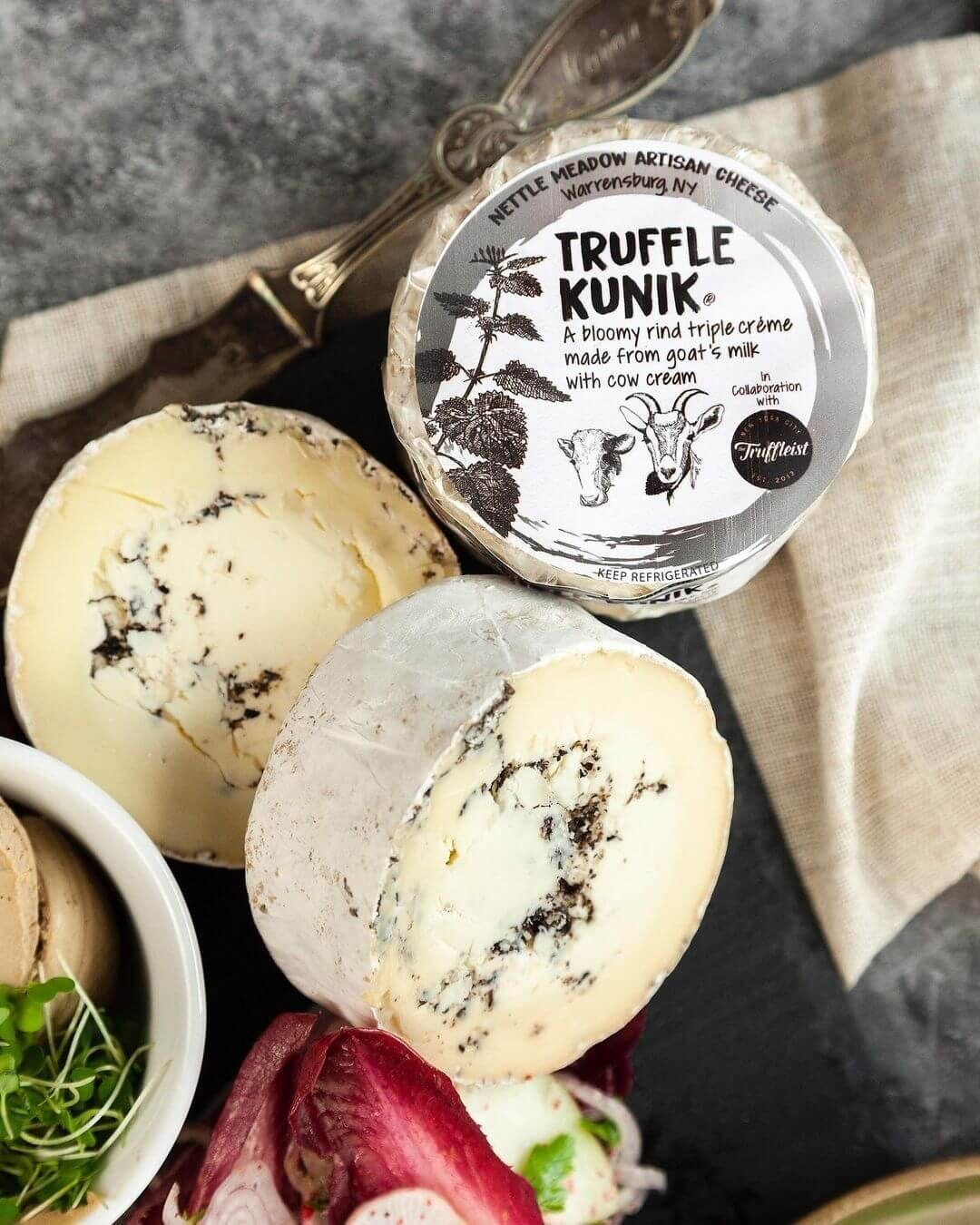
3. Summer Truffle (Tuber aestivum)
Milder in aroma, this truffle is harvested from May to August. It’s more affordable and used in salads, sauces, and light dishes.
4. Winter Truffle (Tuber brumale)
Similar to the black truffle but less potent, it’s harvested from November to March and adds depth to hearty winter recipes.
5. Burgundy Truffle (Tuber uncinatum)
A cousin of the summer truffle, it’s harvested in autumn and prized for its balanced flavor, ideal for sauces and butters.
6. Bianchetto Truffle (Tuber borchii)
Often mistaken for white truffles, these are less aromatic and harvested in winter. They’re a budget-friendly alternative.
Truffle Products
Truffles are preserved and transformed into various products to extend their shelf life and versatility:
- Frozen Truffles: Retain much of their freshness and are used in cooking.
- Dried/Dehydrated Truffles: Concentrated flavor for soups and stocks.
- Truffle Slices/Minced Truffle: Ready-to-use garnishes.
- Truffle Butter/Oil: Infused products for easy culinary use.
- Truffle Salt/Honey/Sauce/Tartufata: Condiments enhancing sweet and savory dishes.
- Truffle Carpaccio: Thinly sliced for elegant plating.
Truffle Market and Pricing
The truffle market is highly seasonal and price-volatile. Key factors include:
- White Truffle Price: €2,000–€5,000/kg due to scarcity.
- Black Truffle Price: €800–€2,000/kg.
- Summer/Burgundy Truffles: €200–€600/kg.
Prices fluctuate based on harvest yield, demand, and region. Buyers can purchase truffles online, wholesale, or through distributors. Fresh, frozen, and dried options are available globally.
Truffle Hunting and Dogs
Truffle hunting relies on trained dogs, as pigs can damage the fungi. Special kits and scents (like truffle oil) are used to train dogs. Note: Truffle oil for dogs must be free of harmful additives.
Culinary Uses
Truffles elevate dishes like:

- Truffle Pasta/Risotto: Shaved fresh truffles add luxury.
- Truffle Butter/Sauce: Enhances meats and vegetables.
- Minced/Dried Truffles: Incorporate into soups or stuffings.
Storage and Preservation
Fresh truffles last 1–2 weeks refrigerated in airtight containers. Freezing, dehydrating, or freeze-drying extends shelf life. Truffle oil should be stored away from light.
Conclusion
Truffles, whether fresh, preserved, or infused, offer unparalleled gastronomic experiences. Their rarity and labor-intensive harvest justify their premium prices, making them a symbol of culinary excellence. From Alba’s white truffles to Perigord’s black diamonds, these fungi continue to enchant chefs and food lovers worldwide.
Location
Occupation
Latest Post: How to Build Email Lists: Tips for Getting People to Sign Up Our newest member: heribertoznb439 Recent Posts Unread Posts


