
About Me
Dark Markets
To secure against these risks, organizations invest in robust cybersecurity strategies, conduct regular security assessments, and educate employees to recognize and mitigate threats. This increases the accessibility and sophistication of cyber threats, darknet market lists with far-reaching consequences for businesses. This ongoing cat-and-mouse game poses a significant technical challenge in combating the activities within darknets.
These signals frequently precede phishing campaigns, account takeovers, or ransomware activity observed on the open web. This hybrid model reduces reliance on any single platform and makes the ecosystem more resilient to disruption. Vendors and administrators routinely use Telegram for darknet market site announcements, dispute handling, and migration during outages or takedowns. Most rely on escrow systems to manage transactions, vendor reputation scores to establish trust, and layered operational security to reduce exposure. Markets still rely on cryptocurrency, but enforcement and blockchain intelligence pressure continuecontinue to increase, which contributes to shorter market lifecycles and more sudden exits (scams or seizures). Related enforcement campaigns also target broader drug networks and darknet market-linked supply chains (e.g., Operation RapTOR announcements).
The Unseen Bazaar
Financially, darknet market markets received just over USD 2 billion in Bitcoin inflows in 2024, while fraud shops took in USD 225 million. The strategies used by law enforcement to dismantle these marketplaces involve a mix of advanced technologies and old-fashioned detective work. These markets operate on the dark web, a part of the internet that's not indexed by traditional search engines and requires special software, like Tor, to access. It's why services like NordStellar's dark web monitoring can help alert you if your sensitive data shows up in these shady places.
Beneath the glossy surface of the everyday internet lies a parallel economy. It is a place not indexed by search engines, accessible only through specialized gateways and cloaked in layers of encryption. This is the realm of the dark markets, digital bazaars operating in the shadows of the networked world.
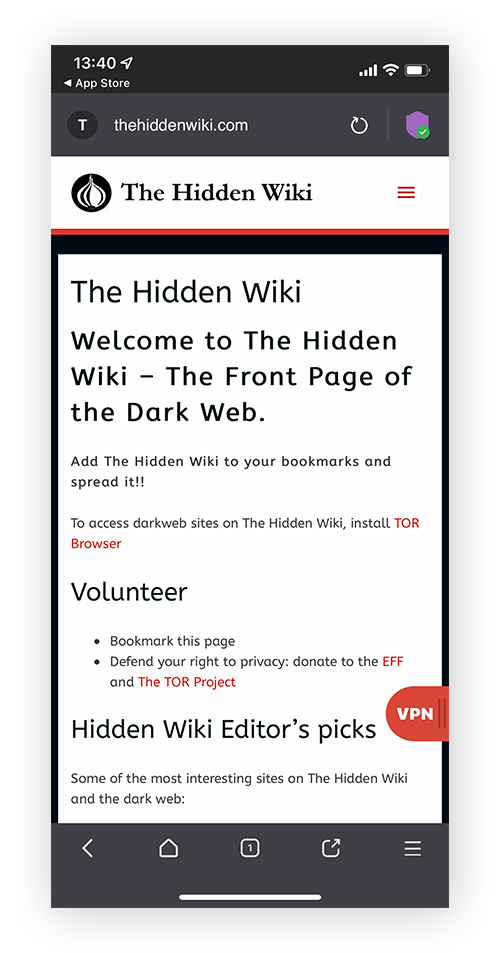
The darknet market is an encrypted overlay network that requires special software like Tor to access. In repressive regimes, darknets play a vital role in enabling free speech and access to uncensored information. This means that the servers providing these services are only accessible via Tor and do not have a public IP address or domain name. In response, cybersecurity professionals, law enforcement agencies, and policymakers around the world are working to combat this growing menace. Nation-state actors, too, leverage darknets for espionage and cyber warfare, capitalizing on the obscurity and untraceability they provide.
Darknets and dark markets present a multifaceted challenge to businesses and society as a whole. Darknets are not limited to criminal activities; nation-state actors use these hidden platforms for espionage, disseminating propaganda, darkmarket url and recruiting agents. Companies must implement strong data security measures, employ encryption, and monitor for data breaches to protect customer and employee information. Darknets and dark markets have been at the center of numerous real-world use cases, often with negative consequences. Dark markets often employ end-to-end encryption for communication between buyers and sellers, enhancing security and privacy.
A Marketplace of Anything
Large markets keep disappearing via likely exit scams, often right after ecosystem turbulence increases user inflows and wallet balances. The ecosystem keeps shrinking and reshaping around fewer "survivor" markets after major takedowns and shutdowns. Genesis had a short lifecycle (under 4 months), which typically limits long-term depth and stability compared with multi-year markets.
These are not simple black markets of old. They are sophisticated e-commerce platforms, complete with user reviews, escrow services, and customer support forums. The goods and services offered are as varied as they are illicit, often including:
- Digital contraband: Stolen credit card data, compromised login credentials, and sophisticated malware.
- Forbidden substances: A catalog of narcotics, delivered with a discretion that rivals legitimate online retailers.
- Counterfeit goods: From currency and passports to designer labels, all fabricated with alarming accuracy.
- Exclusive services: Hacking for hire, access to private databases, and other specialized cyber-skills.
The Currency of Anonymity
Trust in this environment is a fragile construct, built on technology, not law. Transactions are almost exclusively conducted in cryptocurrencies like Bitcoin or Monero, providing a payment trail that is intentionally difficult to follow. Communication is encrypted, and identities are pseudonyms. The entire ecosystem is a high-stakes experiment in anarcho-capitalism, where reputation points are as valuable as the currency itself.
Frequently Asked Questions
Are dark markets just for criminals?
While predominantly used for illegal trade, these markets also attract journalists, whistleblowers, and citizens of oppressive regimes seeking uncensored communication tools. The technology that enables the darknet market is neutral; its application defines its morality.
How do people even find these places?
Access requires specific software, like the Tor browser, which anonymizes a user's location and traffic. From there, one must navigate through dedicated link directories and forums—a labyrinth not meant for dark markets casual exploration.
Is it safe to browse or buy from a dark market?
Absolutely not. Beyond the obvious legal repercussions, dangers abound: exit scams where market admins vanish with all the funds, law enforcement honeypots, malicious vendors, and the constant risk of malware. The only guarantee is risk.
The existence of dark markets is a stark testament to the dual-edged nature of the digital age. They represent both the ultimate expression of unregulated trade and a chilling reflection of the demand for that which society has deemed forbidden. They are the permanent, shadowy inversion of the clear-web storefront, a reminder that for every walled garden, there exists a wild, untamed forest.
Location
Occupation
Latest Post: How to Build Email Lists: Tips for Getting People to Sign Up Our newest member: augustusdick465 Recent Posts Unread Posts


